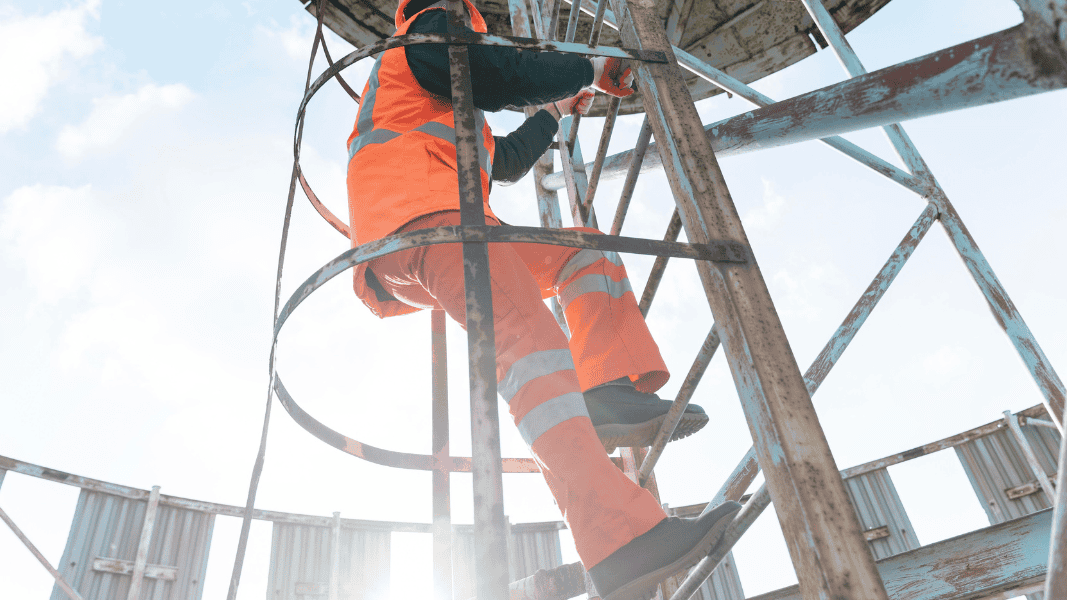
How to Manage Working at Heights in Ports and Harbours
Practical how-to guidance for safety professionals managing working at heights in ports and harbours—risk assessment, fall protection systems, rescue planning, SIMOPS, and permit-to-work.
Practical how-to guidance for safety professionals managing working at heights in ports and harbours—risk assessment, fall protection systems, rescue planning, SIMOPS, and permit-to-work.

Digital safety software for ports and harbours helps port operators control high-risk work without slowing vessel turnaround. This article explains why spreadsheets and generic safety platforms often fall short in mixed-cargo and bulk materials handling environments, and how a fit-for-purpose control of work approach strengthens permit to work in ports, isolations, SIMOPS coordination, and shift handover. Learn practical steps to improve port safety and harbour safety, and build an audit-ready trail.

When an incident occurs on an industrial site, the immediate emergency response is crucial. But so is everything that follows: the investigation, the reporting, and

When it comes to managing safety in industrial workplaces, many businesses rely on outdated systems or static digital forms, like Excel spreadsheets and simple forms.

Prevent falls from height with smarter work authorisation. Learn best practices and how IntelliPERMIT enhances safety at heights.

Safe work is a major objective for companies operating port environments. In this article we will highlight some special considerations when implementing a permit to work (PTW) system in a port.