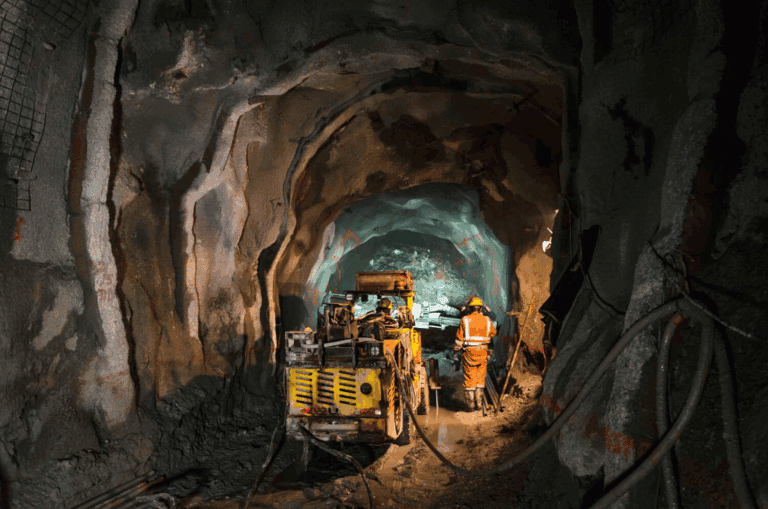
When an incident occurs on an industrial site, the immediate emergency response is crucial. But so is everything that follows: the investigation, the reporting, and the actions taken to prevent a recurrence. In high-risk sectors, even a small error can have serious consequences. The challenge isn’t just the event itself, but the administrative chaos that often follows. A good incident management software system can help avoid this.
According to the Heinrich Safety Pyramid, for every serious injury or fatality, there are about 300 near misses. By recognising and examining these close calls, employers have a better chance of catching and addressing safety issues before they lead to harm. The right software can make a significant impact on safety culture, ensuring that every person goes home safely at the end of the day.
What is Incident Management Software?
An incident management software system is a digital solution that helps companies manage safety more efficiently. The main purpose of this type of safety management software is to provide a framework for controlling the reporting of incidents and managing the follow up activities across a company. This makes sure all safety critical actions are carried out fully and in compliance with relevant regulations.
Incident management software can proactively identify potential hazards and minimise the likelihood of accidents and injuries. This supports a modern incident management process and system that plans, executes, and continuously improves. Incident management software is an essential tool for ensuring people work safely. It helps companies audit against safety standards, identify what doesn’t comply with regulations, and create improvement plans.
The system’s workflow and process are as follows:
- Incident Reporting and Classification: The software enables workers and contractors to report and classify incidents as near misses, non-conformances, or accidents. This classification triggers a specific workflow, where accidents involving injury or death, must be reported to the authorities.
- Initial Investigation and Corrective Actions: The typical workflow involves a preliminary investigation and assigning corrective actions to responsible individuals.
- Serious Incident Management: For serious incidents, a full investigation is conducted, followed by reporting to authorities and other stakeholders.
- Action Tracking and Analysis: Action tracking is a critical feature that ensures safety-related tasks are implemented. The data from the system is then analysed to identify patterns and elevated risk areas for further attention.
Critical Features to Look for in Incident Management Software
Choosing the right software means looking for a system that is practical and reliable. It must support your team on the ground, making their jobs easier and safer. The top five features are:
- Real-time and Mobile Reporting: An incident can happen anywhere on a site, not just at a desk. A good system must offer a mobile application with offline functionality. This allows workers to report incidents and complete safety checklists directly from the field.
Offline mobile capability ensures work can continue even without network connectivity, with data syncing automatically once a connection is restored.
- Automated Notifications and Escalations: A digital incident management system should automatically alert the right people as soon as an incident is logged. This removes delays caused by manual communication so that critical safety information reaches the correct personnel instantly.
For example, a severe injury report can be automatically sent to the HSE manager, while a near-miss report might go to a team supervisor. This ensures that the right people know what’s happening when it happens and can make faster decisions.
- Analytics, Dashboards, and Compliance Reports: A well-designed system turns raw data into useful insights. It should include business intelligence tools and dashboards to give leaders a clear view of safety performance and trends, allowing them to make data-driven decisions.
This functionality is essential for proactively managing risks and ensuring that all documentation for internal and external audits is readily available.
- Integration with Existing Systems: A standalone safety system can create new data silos. The best solutions work in harmony with your existing software, integrating and connecting with planned maintenance systems, HR platforms, and access control technology.
This creates a single space for all safety-related data, from an individual’s training records to the specifics of a job order, promoting transparency and accountability across teams.
- Security and User Management: In high-risk environments, control over who can access and manage sensitive safety data is critical. The software should have certified enterprise-grade security and user authentication options, including biometrics or access cards.
This ensures that only trained and authorised personnel can access sensitive information, which is the foundation of safe operations.

What Sets Top Incident Management Software Solutions Apart
While many solutions can log incidents, the best platforms integrate and analyse data from across a company’s operations. They are designed to manage the full scope of operational risk, not just record accidents after they happen.
- Industry-Specific Functionality: Top solutions are often developed for a specific industry. This gives them a deeper level of functionality than generic systems can offer. This is vital for high-risk industries like mining and oil and gas, where safety needs are complex and a generic solution may not be enough.
- Connecting to Real-time Operational Data: The most effective software is built to integrate with a company’s existing systems, making information accessible in real-time. For example, the software should link to a planned maintenance system to get a comprehensive view of equipment status, ensuring all relevant data is available for a thorough incident investigation.
- Data-Driven Decision Making: The best software doesn’t simply log data, it uses analytics and dashboards to help leaders identify patterns and trends in incidents. This information allows them to manage risks and implement corrective actions before an incident occurs.
- Intuitive User Experience: A well-designed user interface (UI) and mobile app are crucial for getting employee buy-in and ensuring accurate data collection. If the software is complicated or difficult to use, people will find a way to bypass the process. An intuitive and simple design means the system will be used correctly and consistently across all sites.
- Enhanced Security: Given the sensitive nature of safety information, top software solutions must include enterprise-grade security and user authentication options, such as biometrics. This is so that only authorised and qualified personnel can access and manage critical data, protecting both people and the company’s private information.
Take Your Next Step
Selecting the right incident management software is a decision that protects your people, your assets, and your business’s reputation. A good system is a vital part of a proactive safety culture. By implementing a solution with real-time reporting, seamless integrations, and powerful analytics, you can focus on mitigating harm.
Download our free Selecting Safety Software Guide to learn more about safety management software and the different types of software applications.