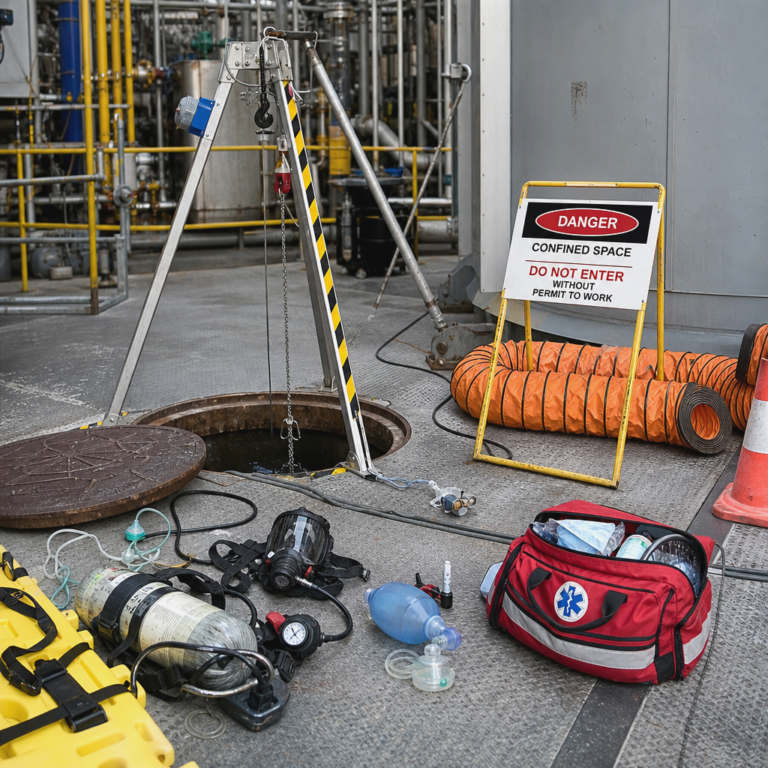
Energy isolation is far more than a procedural requirement; it is the vital safeguard that protects lives. Lockout Tagout (LOTO) procedures in the oil and gas industry are designed to prevent the unintended release of stored energy during maintenance, protecting personnel working on pressurised systems, high-voltage equipment, or moving machinery.
Although most facilities operate with established LOTO systems, failures can still occur when procedures are not correctly followed in real time or when isolation points are not clearly identified. Regulatory bodies provide comprehensive frameworks, but lasting safety depends on embedding these standards into daily operations, beyond mere compliance.
Why Lockout Tagout Still Deserves Attention
Most professionals in the oil and gas industry already understand the mechanics of Lockout Tagout (LOTO). Yet, incidents caused by inadequate isolation persist, demonstrating that understanding LOTO and effectively applying it are not the same. Every valve, breaker, or isolation point presents potential risk if it is not properly locked, tagged, and verified.
In such high-risk environments, multiple energy sources including electrical, mechanical, hydraulic, pneumatic, chemical, and thermal must be tightly controlled to prevent harm. The objective is not only isolation, but verification and communication at every stage. When executed correctly, Lockout Tagout remains one of the most effective measures for preventing fires, equipment damage, and serious injury within complex oil and gas operations.

Regulatory Requirements and Industry Standards
Global regulators mandate strict control of hazardous energy in the oil and gas industry, establishing the foundation for reliable and safe operations. Key standards include:
- OSHA 29 CFR 1910.147 (USA): Outlines procedures for controlling hazardous energy and preventing the unintended release of stored energy during servicing.
- Abu Dhabi OSHMS (Occupational Safety & Health Management System): Requires structured isolation procedures and worker authorisation before maintenance begins.
- UK HSE Guidance: Emphasises risk assessment, routine verification, and detailed record‑keeping for every isolation point.
- IOGP and ISO Standards: Establish global best practices for energy isolation and management consistency across international oil and gas operations.
Lockout Tagout violations continue to rank among OSHA’s most cited offences, underscoring the importance of documentation, verification, and clearly authorised control.
Common Causes of Energy Isolation Failures
Even well-managed facilities can experience isolation failures if minor process gaps go unchecked. Most incidents arise from everyday errors rather than system faults. Common causes include:
- Human error or complacency: Rushing tasks or assuming isolation checks have been completed by others.
- Incomplete documentation: Missing permits or tags that fail to reflect current conditions.
- Mislabelled isolation points: Incorrect or unclear labelling leading to the wrong valve or breaker being isolated.
- Insufficient training or shift handover: Knowledge gaps between shifts or inadequate onboarding of new personnel.
- Simultaneous operations (SIMOPS): Overlapping activities that create uncertainty around isolation boundaries.
- Poor verification of zero energy state: Failing to confirm that all energy sources have been safely discharged.
- Premature removal of isolations while workers are still directly exposed to the hazard.
Identifying these vulnerabilities enables organisations to enhance control measures before they escalate into serious incidents.
Step-by-Step LOTO Procedures in Oil and Gas Operations
A successful Lockout Tagout strategy depends on a structured, documented, and site-wide process. Each step reinforces safety and clarity for every worker involved in maintenance activities.
Planning and Hazard Identification
Before maintenance begins, conduct a thorough risk assessment or Job Hazard Analysis (JHA) to identify all potential energy sources including electrical, mechanical, hydraulic, chemical, and pneumatic. Depending on the level of risk, this exercise may require multiple subject matter experts, including process engineers, control and instrumentation specialists, electrical technicians, maintenance, operations, safety professionals and more Document each isolation point and clearly communicate the plan to all affected personnel. Effective planning eliminates ambiguity before work commences.
Applying Lockout and Tagout Devices
Isolate each energy source using suitable isolation devices such as valves, breakers, or switches. Attach a physical lock and tag to each point, clearly indicating the permit details and application time. Accurate tagging ensures accountability and prevents premature or unauthorised removal.
Verification and Testing
After isolation, verify the release of all stored energy. For example, attempt a controlled restart to confirm that electrical equipment cannot operate. This verification step is critical, and skipping it remains one of the leading causes of LOTO failure.
De-Isolation and Restoration
Upon completing maintenance, locks and tags must only be removed after full authorisation. Re-energise systems in a controlled, sequenced manner, ensuring the work area is clear and all personnel are aware of the reactivation.
Digitising Lockout Tagout: Preventing Failures with IntelliPERMIT
Many organisations within the oil and gas sector have adopted digital systems, yet often find them inflexible, fragmented, or poorly integrated. Spreadsheets and basic form-based tools may appear digital but lack the functionality to manage complex workflows effectively.
A Smarter Digital Approach
IntelliPERMIT delivers a complete control of work and isolation management that goes far beyond ordinary data capture. It enables teams to:
- Automate isolation workflows, approvals, and documentation.
- Gain real-time visibility of all active locks, isolations, and work permits.
- Use digital checklists to ensure procedural consistency and compliance.
Integrated Modules for Safer Work
IntelliPERMIT’s suite of integrated modules, including isolation management, conflict management, and safety risk assessment, operates seamlessly with permit-to-work systems and connected field devices to form a unified safety platform.
Mobile workers can scan QR codes or NFC (near field communication) tags to verify isolations instantly on site, reducing paperwork while improving accuracy. The result is faster maintenance, enhanced compliance, and more coherent coordination between shifts.
Best Practices for an Effective LOTO System
Building and maintaining an effective Lockout Tagout (LOTO) system requires consistency, teamwork, and continuous improvement. The following six-point checklist supports a robust and reliable system:
- Standardise procedures across all sites to ensure uniformity.
- Secure visible leadership commitment so safety culture starts at the top.
- Conduct regular reviews and refresher training to maintain competence.
- Use approved templates for complex tasks involving multiple isolation points.
- Implement a controlled tagging system together with the use of key safes or lockboxes to manage the locks and keys used on a job.
- Authorise only trained, competent personnel to apply locks and tags.
- Integrate LOTO practices within broader Control of Work and Operational Risk Management systems.
- Use data analytics to identify recurring risks and prevent repeat incidents.

Case Studies and Industry Lessons
Real-world implementations demonstrate how effective Lockout Tagout (LOTO) programmes enhance safety and efficiency in oil and gas operations.
- Roy Hill (Australia): This major iron ore operation adopted IntelliPERMIT to replace its paper-based permit‑to‑work system. The upgrade streamlined shutdown management, reduced human error, and allowed real‑time tracking of more than 700 permits during major maintenance events. This eliminated confusion and improved coordination between maintenance and operations teams.
- Tronox Namakwa Sands (South Africa): Tronox implemented IntelliPERMIT across its mining and smelting sites to automate plant clearance and ensure consistent verification of isolations. The result was tighter control, fewer missed steps, and stronger compliance during energy isolations.
Key takeaway: The most resilient safety programmes combine robust digital control tools, continuous training, and a proactive safety culture sustained daily.
The Path Towards Zero Energy Isolation Failures
A strong Lockout Tagout framework within the oil and gas industry is fundamental to preventing life-altering injuries and costly incidents. By uniting proven safety practices with digital solutions such as IntelliPERMIT, organisations can achieve complete visibility, precision, and control over every isolation event.
This represents the next phase in the evolution of LOTO programmes, transitioning from manual tools and basic electronic forms to integrated, data-driven systems. The future of safe operations lies in prevention, real-time awareness, and connected teams working together to build safer, smarter workplaces.