The oil and gas industry is one of the most complex and high‑risk sectors in the world, demanding precision, control, and constant vigilance. Understanding onshore vs offshore oil and gas work is essential to improving health and safety performance, refining risk assessments, and meeting strict regulatory standards.
While both environments share core activities such as drilling operations, maintenance, and logistics, the nature and scale of risks differ significantly. Offshore teams face challenges such as confined spaces and extreme weather, while onshore operations must manage hazards like ground stability and heavy vehicle movement. In this article, we explore these key differences and explain how technology such as IntelliPERMIT helps organisations manage operational risk with consistency and confidence.
Why Location Matters in Oil and Gas Safety
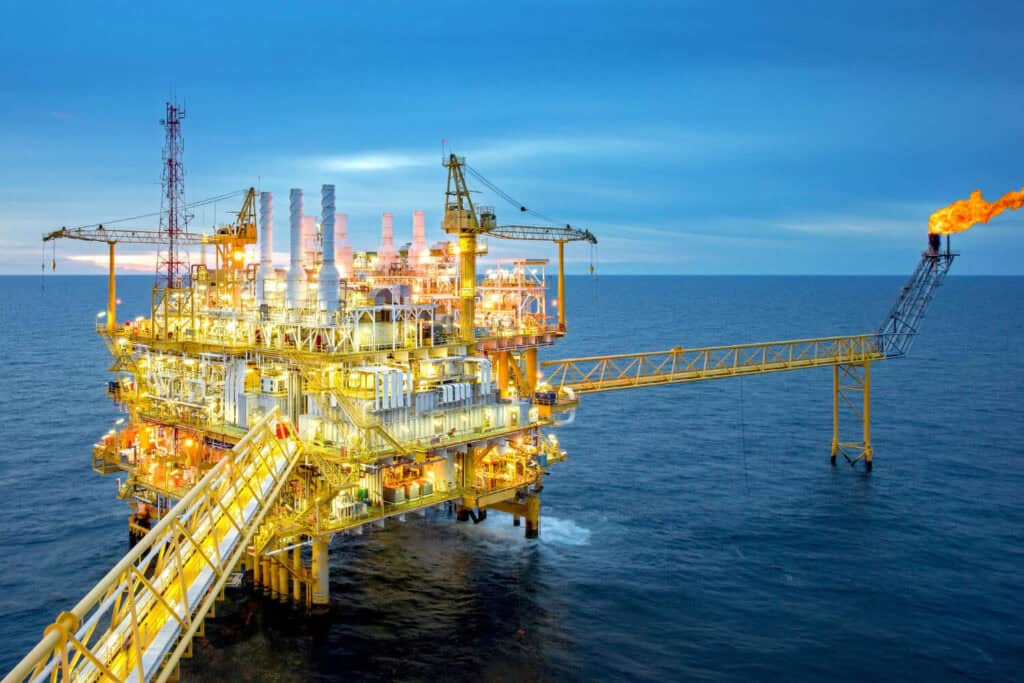
In oil and gas operations, location plays a decisive role in shaping safety risks and response strategies. Offshore drilling rigs operate in isolated environments surrounded by open sea, where weather, limited space, and difficult access heighten the potential impact of any incident. Even routine activities such as equipment maintenance must account for delays in resupply or personnel evacuation. Helicopter transfers and marine transport add further layers of complexity to safety planning.
Onshore fields, by contrast, offer easier access to resources and support, but face different challenges such as heavy vehicle traffic, dust exposure, and unstable terrain. Emergency response plans onshore are typically supported by nearby infrastructure, whereas offshore teams must rely on tightly coordinated evacuation and communication protocols tailored to their remote, high‑risk environment.
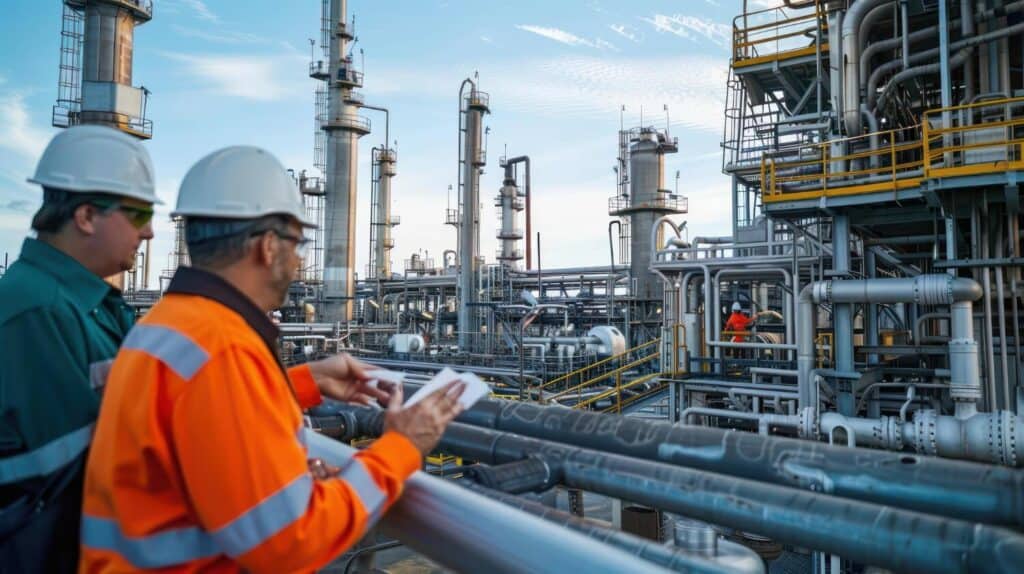
Safety Risks in Onshore Oil and Gas Work
Onshore oil and gas sites may appear more accessible than offshore platforms, but they present their own set of complex safety challenges that demand vigilant management across every operation.
Process and Operational Hazards
Onshore oil and gas operations involve intricate systems where mechanical, electrical, and chemical processes intersect. Common hazards include:
- Equipment or pipeline failures that release high-pressure fluids or gases
- Pressure build-up or release incidents during maintenance
- Flammable gas leaks and ignition from static or mechanical sparks
Robust permit-to-work (PTW) and isolation management systems are essential in preventing uncontrolled energy releases during maintenance or shutdowns. Effective risk assessments help identify potential failure points before work begins, while lockout–tagout procedures ensure mechanical and electrical equipment is safely isolated. When consistently applied, these safeguards minimise human error and maintain operational control.
Environmental and Site-Specific Risks
Onshore workers face physical and environmental hazards that shift with terrain and climate.
Key risks include:
- Exposure to dust, heat, confined spaces, or toxic gases
- Vehicle collisions, slips and trips, and fire outbreaks
- Chemical exposure during transfer or cleaning operations
Each site must establish tailored safety protocols and emergency response plans aligned to its specific conditions, such as uneven ground, remote locations, or limited medical access.
Human and Behavioural Factors
Human behaviour remains one of the biggest influences on safety performance. Typical risks include:
- Fatigue from long hours, rotating shifts, and demanding physical tasks
- Skill or knowledge gaps, particularly among temporary staff
- Communication barriers between contractors and subcontractors
Regular training, clear communication, and well-defined competency assessments ensure that all personnel maintain the same safety standards and awareness.
Safety Risks in Offshore Oil and Gas Work
Offshore oil and gas operations combine complex technology with extreme conditions, demanding exceptional safety discipline at all times.
Harsh Environmental Conditions
Offshore crews operate in unpredictable weather where rain, wind, and rough seas can rapidly escalate risks. Key challenges include:
- Extreme weather and high seas that affect stability and equipment handling
- Work at height on rigs and derricks where slips or falls can be fatal
- Limited visibility during storms or night operations, increasing incident potential
- Restricted evacuation routes due to remote location and limited transport capacity
- Underwater inspections and related maintenance work involving diving operations
Frequent safety drills, realistic emergency simulations, and robust emergency response programs are vital to preparedness and survival in emergency scenarios.
Isolation and Process Safety Challenges
Offshore facilities face increased risk of major process safety incidents, including:
- Explosions and hydrocarbon fires linked to pressurised systems
- Gas leaks or blowouts that require immediate, coordinated action
- Competing maintenance and production tasks during SIMOPS (Simultaneous Operations)
Because of these risks, all crew members must undergo specialist training such as HUET (Helicopter Underwater Escape Training) and process safety certification to operate effectively in high-stress environments.
Human Factors and Mental Health Offshore
Extended rotations such as 14/28-day cycles test both endurance and mental well-being. Contributing factors include:
- Stress and fatigue from long shifts and limited personal space
- Isolation and confinement, often intensified by constant noise
- Leadership and safety culture, which directly shape worker behaviour
Strong leadership presence, open communication, and structured support systems are essential to sustaining morale and reducing human‑error risks offshore.
Comparing Onshore and Offshore Safety Risks
While both environments share similar operations, the context in which they occur changes the nature and scale of risk. Understanding these differences helps teams build safer systems and more responsive safety cultures.
Key Differences:
- Environment: Onshore operations deal with land‑based hazards and easier access to support, while offshore crews face maritime conditions, harsh weather, and isolation.
- Incident Escalation: Offshore incidents can intensify rapidly due to limited evacuation options and delayed external assistance.
- Training Standards: Offshore workers require location‑specific training such as HUET, confined‑space rescue, and emergency coordination.
- Cultural Mindset: Offshore operations demand strict procedural discipline, whereas onshore teams operate more flexibly and adapt to diverse site conditions.
Comparison Summary:
| Aspect | Onshore | Offshore |
| Accessibility | Easy access to resources and medical care | Remote, limited access and support |
| Environment | Land-based hazards, dust, heavy vehicles | Sea-based, confined, exposed to weather |
| Incident Severity | Generally localised | Can escalate quickly and affect entire rig |
| Training Focus | Operational safety and mobility | Rig safety, evacuation, and survival drills |
Ultimately, both settings require robust safety management systems that integrate risk assessment, permit-to-work control, and real-time communication to ensure operational continuity and worker protection.
Technology’s Role in Mitigating Safety Risks
Modern technology provides the oil and gas industry with smarter tools to manage operational risks more effectively.
Control of Work and Safety Software
Digital PTW systems give supervisors full oversight of hazardous work, ensuring every high-risk task is planned, authorised, and executed safely. IntelliPERMIT strengthens this control by integrating:
- Risk assessments that identify hazards before work begins
- Isolation management to prevent energy release incidents
- Contractor control to align multiple teams under one safety standard
- Real-time monitoring for visibility across daily operations
Leading oil and gas companies use such systems to enhance compliance, reduce human error, and prevent costly downtime or incidents.
Data-Driven Decisions for Safer Operations
Real-time data collection supports:
- Environmental monitoring and early identification of unsafe conditions
- Predictive alerts that anticipate hazards before they occur
- Digital workflows that ensure procedures and approvals are followed accurately
Technology like IntelliPERMIT transforms data into proactive safety management, not reactive response.
Industry Best Practices and Ongoing Improvement
Strong safety performance in the oil and gas industry relies on consistent learning and globally recognised standards. Key practices include:
- Adherence to OSHAD, IOGP frameworks and ISO standards that define clear safety and risk management requirements.
- Continuous training and simulation exercises to prepare personnel for emergency scenarios.
- Regular audits and performance reviews to identify gaps and reinforce accountability.
- Knowledge sharing across onshore and offshore operations to promote consistent safety culture and procedural alignment.
By embedding these best practices, organisations create resilient teams capable of maintaining high safety standards across every operational environment.
Building Safer Operations Across All Frontiers
Understanding the differences between onshore vs offshore oil and gas work is essential to improving safety outcomes and operational reliability. Both environments require proactive risk management strategies that anticipate hazards before they occur. Digital safety management systems such as IntelliPERMIT strengthen prevention by ensuring consistent control of work, isolation, and compliance across complex operations.
To explore how leading organisations are transforming operational safety, visit our Oil and Gas Industry page for further resources and expert guidance.