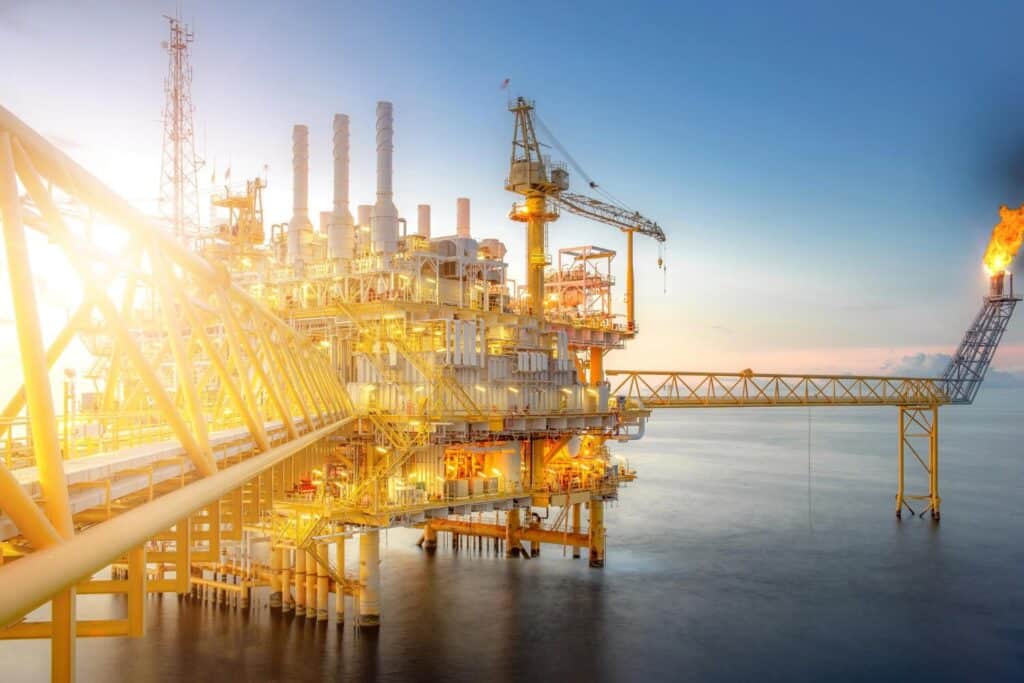
In oil and gas extraction and refining operations, energy systems are complex, tightly controlled, and often operate under demanding conditions where precision matters at every step. During maintenance or repair, controlling that energy is not simply a procedural formality, it is the foundation of safety itself.
Effective isolation in oil and gas environments prevents uncontrolled releases, protecting people, assets, and production continuity. By safely managing systems and other hazardous materials through structured isolation practices, organisations create the conditions for truly safe work.
What is Positive Isolation in the Oil and Gas Industry?
In the oil and gas industry, positive isolation refers to the verified disconnection of process systems and isolating equipment from every potential source of hazardous energy, such as pressure, electricity, chemicals, or motion. Unlike a simple valve closure, it introduces a physical barrier, such as removing a short section of pipe, a blind flange or a spade, that physically separates workers from risk.
Why is it Important?
The main goal of positive isolation is to establish a zero-energy state, creating conditions where maintenance work can proceed safely. Authorities, including the Abu Dhabi National Oil Company (ADNOC) and the International Association of Oil & Gas Producers (IOGP), consistently emphasise that true isolation must be confirmed, visible, and testable. This verification ensures that no residual pressure or energy can threaten personnel.
Key takeaway: Positive isolation is not just about stopping flow; it is about proving that separation exists and that safety is certain.
A Five-Step Framework for Safe Isolation
Isolation in oil and gas requires accuracy, discipline, and verification. The five steps below form a proven structure for eliminating human error and maintaining full energy control during safe work.
1. Planning and Risk Assessment
Identify every potential energy source—mechanical, electrical, thermal, or pressurised. Record findings in the permit-to-work system to select the right isolation method, such as a single valve or double block and bleed for higher risk.
2. Isolation and Energy Control
Locate isolated equipment on P&IDs and disconnect energy points. Drain and vent systems to remove trapped pressure, as refineries routinely do before maintenance.
3. Lockout/Tagout (LOTO)
Apply locks and clear tags to prevent operation. They serve as both restraint and visual confirmation.
4. Verification of Zero Energy
Use the “try-out” principle that dictates that teams should attempt to start or depressurise the equipment to confirm it is completely de-energised. Additionally, using testing instruments such as gas sensors, pressure gauges or voltage detectors verifies the success of the isolation.
5. Performing the Work
Begin only after verification and authorisation through the permit-to-work system, keeping controls active until the task is complete.
Key Isolation Methods for High-Risk Environments
In oil and gas facilities, the higher the risk, the stronger the isolation required. Below are three key isolation methods used to achieve positive isolation and effective control of hazardous energy.
Mechanical Isolation
1. Valve Isolation
A single valve closure is quick and simple, suited only to low‑risk services like cooling water or air lines. Valves can leak over time, so tight shut‑off tests are vital.
2. Blinds and Spades
For higher risks, spectacle blinds, spade blinds, or a blind flange create a solid metal barrier. These are common during plant shutdowns or vessel entry, as they completely prevent flow between systems.
Double Block and Bleed (DBB) Isolation
3. Block and Bleed Isolation
A double block and bleed setup uses two closed block valves with a bleed valve in the middle. The bled cavity confirms zero pressure, offering extra assurance if one valve leaks. This design is used in the gas industry particularly for high risk work such as hot work, confined entry, or tasks on live systems.
Correct method selection ensures reliability, compliance, and worker safety in high‑consequence environments.
Common Isolation Challenges in Complex Operations
Manual lock out or isolation management systems often struggle to maintain consistency and control under operational pressure. The result is not a lack of effort, but a vulnerability to small mistakes that can have serious consequences.
Common issues include:
- Human error during the selection of isolation points or during verification, particularly when multiple systems overlap.
- Poor communication between shifts or departments, leading to uncertainty about which equipment is live or isolated.
- Inconsistent documentation, such as outdated P&IDs, missing isolation registers, or handwritten tags that are hard to read.
- Conflicting isolations during Simultaneous Operations (SIMOPS), where overlapping work scopes create confusion over shared systems or boundaries.
These challenges highlight a critical truth: even well-planned manual isolations are prone to error. This is something that modern digital control-of-work systems are uniquely equipped to solve.
Enhancing Safety and Compliance with Digital Isolation Management
Modern isolation in oil and gas operations is increasingly managed through digital platforms that combine field data, workflows, and real-time verification. Software-based control of work systems such as IntelliPERMIT, supported by tools like IsoBuilder, help teams manage isolations with greater accuracy, visibility, and accountability.
Below are three benefits that show how digital isolation management enhances safe work, streamlines processes, and ensures regulatory compliance.
Centralised Control and Visibility
Digital systems like IntelliPERMIT integrate isolating equipment directly into the permit-to-work process, creating a single, reliable source of truth. Every isolation status, approval, and verification step is visible to all teams, reducing paperwork and preventing miscommunication between shifts. This ensures procedures are applied consistently across multiple job sites and departments.
Interactive P&IDs and Error-Proofing
With tools such as IsoBuilder, users design and validate isolation schemes directly on interactive P&IDs. This visual approach eliminates guesswork and reduces selection errors, giving field personnel a clear, live map of approved isolation points.
Improved Traceability and Auditing
Each stage from planning and approval to application and removal, is automatically tracked. The result is a complete digital audit trail that simplifies regulatory compliance, supports incident investigations, and builds trust in the integrity of the isolation process.
Industry Use Cases
IntelliPERMIT’s isolation and lockout/tagout (LOTO) functionality is extensively used in the oil and gas sector, as well as other industries where reliable energy isolation is critical for safe maintenance and operational activities. Key capabilities include:
- Standardised Isolation Procedures: Approved isolation procedures can be pre-configured as templates within IntelliPERMIT. When an isolation is required for a permit, the system automatically provides the relevant, step-by-step instructions tailored to the specific task.
- Visual Guidance: Marked-up P&IDs (piping and instrumentation diagrams) and location photographs can be presented within the isolation certificate, clearly identifying each isolation point, its required state, and associated test procedures. This visual information reduces ambiguity and enhances accuracy during execution.
- Fully integrated Isobuilder: This optional tool allows users to plan complex isolation schemes using interactive P&ID’s to correctly identify the necessary isolation points and methods of isolation.
- Dynamic Consistency Checks: If additional isolation points are needed during planning or execution, IntelliPERMIT verifies consistency across all active permits to ensure no conflicting actions affect the integrity of the isolated system.
- Isolation Permits and Dependencies: The system supports the issuance and management of dedicated isolation permits—used to control and document the process of establishing and verifying isolations prior to the start of hazardous work. IntelliPERMIT manages dependencies between primary work permits and associated isolation permits, ensuring coordinated approvals and clear status tracking.
- Verification and Authorisation: The platform enforces verification steps, requiring authorised personnel to physically verify, witness, and record the correct application and removal of each isolation point before work can proceed or be completed.
- Tagging and Identification: Isolation tags can be generated with all relevant details, including barcodes or QR codes, enabling on-site verification using IntelliPERMIT’s mobile application. Support for RFID tagging further enhances traceability and ensures positive identification of isolation points.
- Management of Locks and Key Controls: IntelliPERMIT tracks the assignment, transfer, and removal of physical locks, lock boxes, and key safes. The workflow engine manages cascading approvals and ensures control measures remain effective throughout the permit process.
The Future of Isolation Safety
Isolation remains one of the most vital safeguards in the oil and gas industry, protecting people, equipment, and the environment from hazardous energy. Achieving true safety requires a disciplined framework built on clear planning, verified execution, and consistent oversight.
As facilities and operations become more complex, digital isolation management provides the visibility and traceability needed to maintain control. The use of solutions alongside IntelliPERMIT, such as IsoBuilder, enhance rather than replace, proven practices, helping companies achieve higher standards of compliance and performance. Investing in these digital capabilities is a strategic step toward safer operations and long-term excellence in oil and gas.