In heavy industry environments, permit-to-work (PTW) systems are embedded within the daily processes that govern hazardous work, coordinate multiple teams, and support operational safety.
As a result, organisations evaluating the future of their electronic permit-to-work (ePTW) platform often look beyond current functionality. They also want confidence that the system will continue to evolve, remain supported, and align with their long-term operational requirements.
This becomes particularly important when there are changes in vendor strategy, product positioning, ownership structures, or broader portfolio direction. While change does not automatically create risk, uncertainty around product direction can raise legitimate questions for organisations that depend on permit-to-work as part of their control-of-work framework.
System owners need to evaluate changes to vendor strategy carefully, and ensure that the core operational safety processes are not going to be negatively impacted. Vendors will try to convince you otherwise, however you are ultimately responsible for safe operations in your facilities and this must remain the foundation of any decision you make in response to changing vendor portfolios.
Why Roadmap Confidence Matters in ePTW
Most enterprise software can be replaced with relatively limited operational disruption. Permit-to-work systems are different.
Over time, ePTW platforms become deeply integrated into the way organisations manage work authorisation, isolation coordination, contractor activities, shift handovers, SIMOPS planning, and compliance assurance. Users develop familiarity with workflows, terminology, approval processes, and reporting structures. Procedures are often adapted around the platform, while training programmes reinforce consistent usage across sites and teams.
This means that any significant change to a permit-to-work platform can have consequences beyond technology.
For example, organisations may need to:
- Update operating procedures
- Retrain permit issuers and permit receivers
- Review authorisation and competency models
- Redesign reports and compliance processes
- Revalidate workflows against site governance requirements
- Manage user adoption across multiple departments
In many environments, the cost and effort associated with change management can exceed the technical effort of software implementation itself.
That is why customers often seek confidence not only in what a platform does today, but in where it is heading tomorrow.
A clear product roadmap helps organisations plan investments, align operational improvement initiatives, and make informed decisions about long-term control-of-work strategy.
Common Concerns When Vendor Direction Appears to Shift
When customers perceive uncertainty around a platform’s future direction, several practical questions often emerge.
Users want reassurance that the platform they rely on today will continue to receive updates, maintenance, and expert support. In safety-critical environments, confidence in support arrangements is often as important as confidence in functionality.
Customers may also wonder whether the platform will remain strategically important within the vendor’s broader portfolio.
Questions frequently include:
- Will the product continue to receive investment?
- Will permit-to-work remain a strategic priority?
- Will future development focus on the needs of hazardous industries?
- Will existing capabilities be enhanced or replaced?
- Will future versions require major workflow redesign?
These questions are not necessarily signs of dissatisfaction. They reflect the reality that permit-to-work systems are operationally significant assets.
Many organisations have spent years refining their control-of-work processes. They understandably want confidence that future product decisions will support those efforts rather than disrupt them.
Another consideration is specialist focus.
Where permit-to-work becomes part of a broader software portfolio, some customers may seek reassurance that control of work will continue to receive dedicated attention and domain expertise.
The concern is whether the vendor plans to maintain a deep understanding of the operational realities that shape safe work execution.
Questions Customers Should Ask Their Vendor
When evaluating long-term confidence in a permit-to-work platform, organisations benefit from asking direct, practical questions to gain clarity.
Areas worth exploring include:
Product Direction
- What is the long-term vision for the platform?
- How is permit-to-work positioned within the broader product strategy?
- What major investments are planned over the next few years?
Customer Commitment
- How will existing customers be supported?
- What is the vendor’s approach to upgrades and transition planning?
- How are customer requirements influencing future development?
Industry Expertise
- How much experience does the new organisation have in hazardous industries?
- What evidence exists of successful deployments in comparable environments?
- How does the vendor incorporate operational best practice into product development?
Implementation and Support
- Who supports customers after go-live?
- What specialist resources are available during major change initiatives?
- How are governance, training, and adoption challenges addressed?
Organisational Stability
- What ownership model supports the business?
- How long has the vendor operated in this market?
- What demonstrates ongoing commitment to the permit-to-work discipline?
The strongest vendor relationships are typically built on transparency. Organisations should feel comfortable discussing these topics openly and expecting clear answers.
Long-Term Vendor Confidence
A stable product that never evolves may eventually become as problematic as a product that changes too rapidly.
Most organisations want a balance between continuity and innovation.
Strong permit-to-work providers typically demonstrate several characteristics.
- First, they maintain a clear and consistent product direction. Customers understand where the platform is heading and why.
- Second, they continue investing in the solution while protecting operational continuity. New capabilities are introduced in ways that support existing users rather than forcing unnecessary disruption.
- Third, they demonstrate ongoing commitment to the permit-to-work and control-of-work domain itself. Product development reflects an understanding of operational governance, frontline usability, auditability, isolation management, and the realities of hazardous work environments.
Finally, they combine technology expertise with implementation experience. Organisations gain confidence when they know the vendor understands not only the software, but also the operational context in which it is used.
This combination of stability, domain focus, and practical execution often reduces risk for customers making long-term platform decisions.
Looking Beyond Features
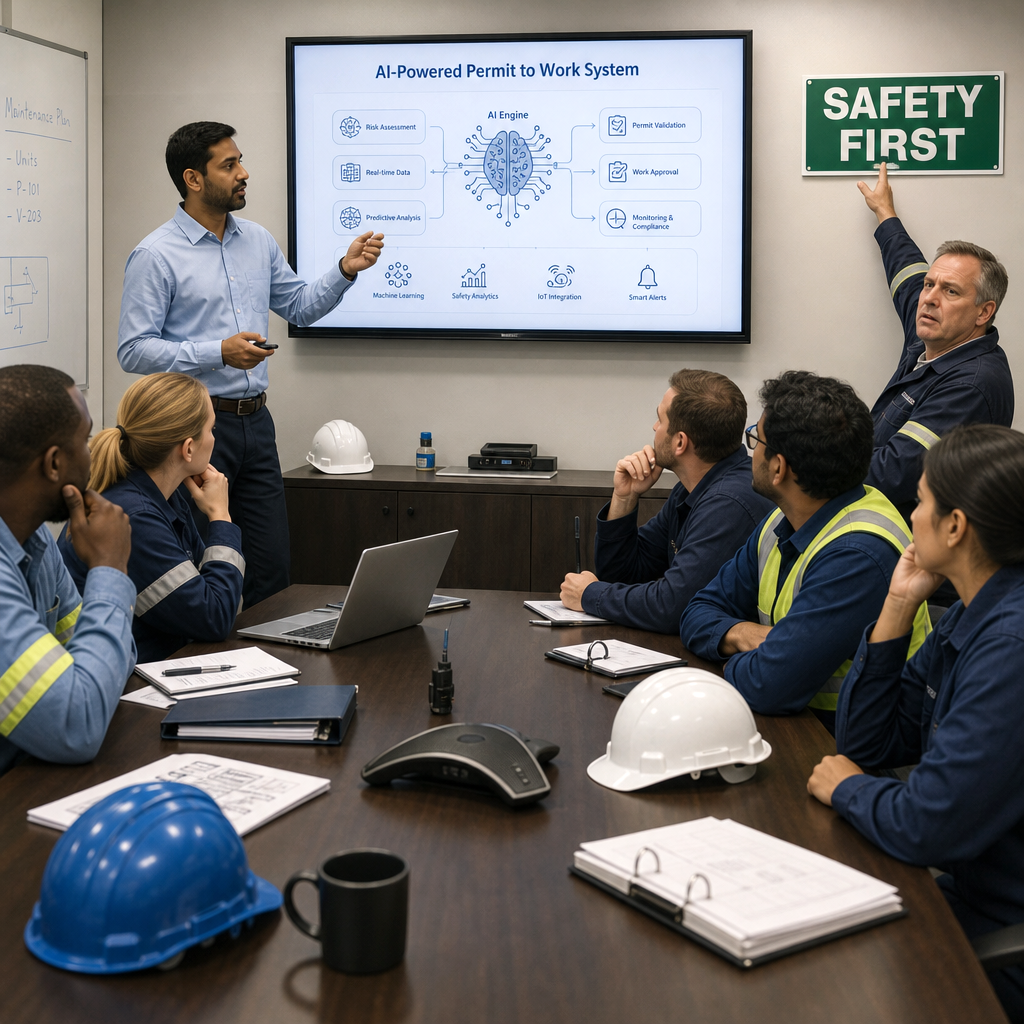
When organisations evaluate permit-to-work platforms, feature comparisons often dominate early discussions. Occasionally emerging technologies are made to sound enticing to “seal the deal”. Be cautious about this – for example the current investment in Generative AI resembles a Garner hype cycle curve at the peak of inflated expectations – with scant attention being paid to actual operational safety which is after all the purpose of an ePTW platform.
For systems that play a central role in safety governance and operational control, long-term confidence matters just as much as current functionality.
Customers need assurance that their chosen platform will remain aligned with their operational needs, continue to receive investment, and be supported by a vendor that understands the importance of control of work.
This is why many organisations place significant value on providers with established domain heritage, proven implementation experience, and a clear commitment to the permit-to-work discipline.
If your organisation is seeking greater confidence in its long-term permit-to-work direction, the team at IntelliPERMIT can help you evaluate roadmap risk, operational fit, and future control-of-work requirements before making significant platform decisions.